
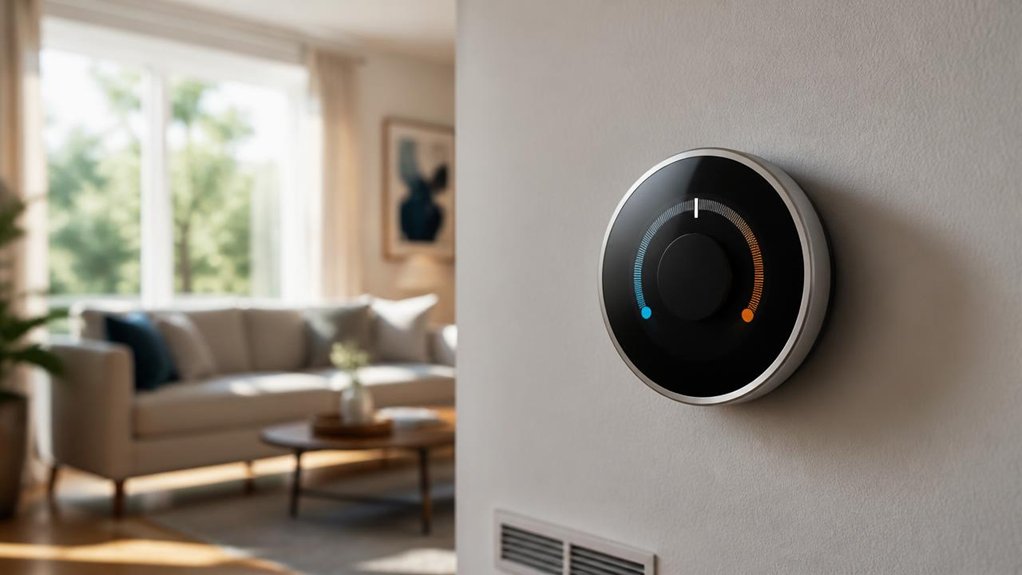
Typical cost: Varies by model and installation
Main benefit: Less heating while asleep or away
Savings: Depend on home and routine
Payback: Compare savings with total cost
Best for: Homes with wasted heating
Check first: Heating system compatibility
Do Smart Thermostats Really Save Money?
Smart thermostats can cut heating costs if they reduce the hours your boiler runs or lower the temperature when rooms are empty. Savings depend on your current heating schedule, home insulation, boiler controls and energy tariff; they aren’t guaranteed.
Smart thermostats may lower heating costs by reducing boiler run-time, but savings depend on your home and heating habits.
Typical cost: £100 to £300
Likely yearly saving: Varies by home
Payback period: Depends on usage
Best for: Homes with regular heating schedules
Check first: Boiler and wiring compatibility
The figures above are broad guide ranges, not a quote. Device prices and energy tariffs change, so check current costs before buying.
For a payback estimate, compare the thermostat’s price and any installation charge with your expected annual bill saving. For example, divide a £200 total cost by a £50 yearly saving to get a four-year payback; both figures are illustrative, not a forecast.
A lower starting temperature, shorter heating schedule or reliable geofencing may increase savings. A well-insulated home that already uses efficient controls, or a household that keeps the same schedule, may save little.
Check whether your boiler supports the thermostat’s control features, and include any wiring or installation costs. A rebate may lower the upfront cost, but check current local schemes and eligibility.
Good
- Scheduling can reduce boiler run-time when rooms are empty.
- Remote controls let you change heating settings away from home.
- Some models show energy use and help identify heating patterns.
- Compatible controls may adjust heating around your routine.
Not so good
- Savings may be small if your heating schedule is already efficient.
- Some thermostats need a compatible boiler or control wiring.
- Installation costs can lengthen the payback period.
- Features only help if household members use them consistently.
A smart thermostat suits households that can reduce heating hours or temperatures enough to offset its purchase and installation cost. It’s unlikely to pay back quickly if you already use efficient schedules, have low heating use or need costly wiring changes.
A competent DIYer can set schedules and connect a compatible, battery-powered wireless thermostat by following the manufacturer’s instructions. Fixed wiring should be handled by an electrician registered with a competent person scheme; work on gas appliances must be done by a Gas Safe registered engineer.
Best for: Homes with changeable routines and compatible controls
Skip it if: Your current heating schedule is already efficient
Put your own figures into our payback calculator.
How Do Smart Thermostats Reduce Energy Use?
A smart thermostat can cut heating use by lowering the set temperature when the home is empty or you’re asleep, then raising it before you return or wake.
The saving depends on your current heating schedule, insulation, boiler controls and the temperature you choose.
Schedules and occupancy sensors can adjust the heating automatically; remote controls let you change settings from a phone.
Check whether the thermostat works with your boiler or heat pump: some systems need a compatible receiver or additional wiring.
A competent DIYer can set schedules and change settings on an installed thermostat.
Wiring a mains-powered controller or altering boiler controls may require a qualified electrician registered with a competent person scheme or a Gas Safe engineer; heat-pump work should be handled by an MCS-certified installer.
Check the manufacturer’s instructions and applicable electrical and gas-safety requirements.
What Affects Smart Thermostat Savings?
Smart thermostat savings: Your heating schedule, insulation, climate and heating system affect how much a smart thermostat can save.
If you already turn the heating down when you leave or go to bed, the extra saving may be small. Draughts and poor insulation can increase heat loss, while your routines and comfort settings determine whether scheduling helps.
Local energy prices affect the value of any gas or electricity saved.
How Much Can a Smart Thermostat Save?
Smart thermostats typically cost £100 to £300, before any professional installation. Published estimates put annual savings at around £50 to £150, but these aren’t guaranteed and depend on your existing heating controls, energy use and how consistently you change the settings.
Smart thermostats cost £100–£300 before installation, with estimated annual savings of £50–£150 depending on your home and habits.
For example, a £100 to £300 thermostat saving £50 to £150 a year has a simple payback of roughly 1 to 6 years. This is an illustrative range, not a quote: check the thermostat price, installation cost and likely saving for your home before buying.
Savings may be higher if you regularly heat an empty home; they may be lower if you already use a programmer or turn the heating down when you leave.
Compare energy use before and after installation, allowing for changes in weather and energy prices. Check current prices and any available grants at the time of purchase; don’t assume a grant applies.
A competent DIYer can fit a compatible, battery-powered thermostat or wireless control if the manufacturer’s instructions allow it. Work involving fixed mains wiring should be done by an electrician registered with a competent person scheme; work on a gas boiler should be handled by a Gas Safe registered engineer.
Follow the Building Regulations and the manufacturer’s instructions.
Put your own figures into our payback calculator.
Will a Smart Thermostat Work With Your HVAC System?
Compatibility check: Match the thermostat to your system’s voltage, wiring and controls.
C wire: Check whether the model needs one or supports an approved adapter.
System type: Confirm support for your heat pump, boiler or multi-stage system.
DIY limit: Check the manufacturer’s instructions; use a qualified installer if wiring or system controls are unclear.
Safety check: Wire colours alone don’t confirm compatible terminals.
Which Smart Thermostat Features Matter Most?
Schedules can reduce heating or cooling when rooms are empty, but savings depend on your routine and how your system is set up.
Set the thermostat to match your usual times at home; learning features are only useful if they make changes you’d otherwise manage yourself.
Geofencing uses your phone’s location to change the temperature when you leave or return.
It may not suit households where people come and go at different times, so check whether the thermostat supports multiple users and locations.
Choose controls you can use easily: an app, a wall display or voice control.
Energy reports can show when your heating runs, but they don’t guarantee lower bills; compare them with your energy use and tariff.
How Long Until a Smart Thermostat Pays Off?
A smart thermostat can pay back if it reduces heating use, but the result depends on your current controls, heating schedule, energy tariff and installation cost. It’s most useful when you can programme heating more accurately than you do now; it may save little if you already use a well-set timer and room thermostat.
Typical cost: £100 to £300
Yearly saving: varies by home
Payback period: depends on actual savings
Best for: homes with avoidable heating use
Check prices: at time of writing
To estimate your payback, add the thermostat and installation costs, then divide by the annual bill saving. For example, with a £200 total cost and £50 saved a year: £200 ÷ £50 = 4 years.
These are illustrative figures, not a typical UK saving; check current product prices and use your own energy bills and tariff.
Your saving will be higher if the thermostat stops heating empty rooms or reduces unnecessary heating hours. It will be lower if your home is already heated efficiently, uses little energy or has low unit rates.
Compare bills over similar periods and account for changes in weather and energy use.
Good
- Programmable schedules can reduce heating when rooms are empty.
- Some models let you adjust heating remotely.
- A compatible thermostat can work with existing heating controls.
- Better control may reduce gas or electricity use.
Not so good****
- Compatibility depends on your boiler and existing wiring.
- Installation fees increase the upfront cost.
- Savings may be small with an efficient heating schedule.
- Smart features may require reliable internet access.
A smart thermostat suits households that can cut heating hours or temperatures enough to make the upfront cost worthwhile. It’s unlikely to pay back quickly if you already use your heating controls carefully or have low annual heating use.
A competent DIYer can fit some battery-powered, wireless controls by following the manufacturer’s instructions, but wiring changes should be done by an electrician registered with a competent person scheme. Work on gas appliances must be done by a Gas Safe registered engineer; heat-pump system changes should be handled by an MCS-certified installer.
Check current prices and any applicable requirements, as these can change.
Best for: households with avoidable heating use
Skip it if: existing controls already suit your routine
Put your own figures into our payback calculator.
When Is a Smart Thermostat Worth Buying?
A smart thermostat can be worth buying if it helps you avoid heating an empty home or forgetting to turn the heating down. The saving depends on your heating use, controls, energy tariff and how often you change settings; it isn’t guaranteed.
Check that the thermostat works with your boiler or heat pump, wiring and heating zones before buying. Heat pumps may need controls configured to suit their operation, so check the manufacturer’s guidance or ask a qualified installer.
Compare the thermostat’s cost with a realistic estimate of your annual saving and any available utility rebate. Use the same assumptions for both: household heating use, tariff and expected change in energy use.
A rebate can reduce the upfront cost, but eligibility and amounts vary, so check current terms.
If you rent, get your landlord’s approval and agree who’ll manage the device. If you rarely adjust your heating, a basic thermostat may be better value.
Frequently Asked Questions
How Do Smart Thermostats Protect My Privacy?
Data encryption can protect information sent between a smart thermostat and its provider, but it does not stop all data collection or sharing. Check the privacy settings and the manufacturer’s policy to see what data the thermostat collects, who can access it and how to limit sharing. Green And Smart Homes does not sell installations or pass on readers’ details.
Can I Control a Smart Thermostat Without an Internet Connection?
Many smart thermostats still control heating through their physical controls when the internet is down. Local temperature settings and schedules usually continue to work, but app access, remote changes, voice commands and cloud-based features may stop until the connection returns.
Check the manufacturer’s instructions: offline functions vary by model. A thermostat that relies on a cloud service for scheduling may not keep its schedule without an internet connection.
Do Smart Thermostats Require a Monthly Subscription?
Most smart thermostats do not need a monthly subscription for basic heating controls. Scheduling and changing the temperature are usually free; charges may apply to optional features such as extended energy reports or remote monitoring.
Check the model’s terms before buying: subscription features vary, and some services may require a paid plan. A subscription is not worth paying for if you only need scheduling and temperature control.
How Difficult Is It to Install a Smart Thermostat Myself?
Smart thermostat installation is usually straightforward for a competent DIYer if the wiring matches the manufacturer’s diagram. You can mount the thermostat and connect low-voltage control wires with the power off; do not work on mains wiring unless you are competent to do so.
Check compatibility before buying, including whether the system needs a C-wire or a separate receiver. If the wiring is unfamiliar, stop and use a qualified electrician registered with a competent person scheme. Any work on a gas boiler must follow the manufacturer’s instructions; use a Gas Safe registered engineer for work on gas pipework or boiler components. A smart thermostat installation does not normally need MCS certification, which applies to eligible renewable-energy installations.
Can Multiple Household Members Control the Same Thermostat?
Multiple household members can usually control the same thermostat if its app supports shared access. Check the manufacturer’s instructions: some systems let the account holder invite other users, while others require everyone to sign in with the same account.
Agree who can change schedules and temperature settings. Different preferences can lead to higher heating use if people keep overriding the schedule.