
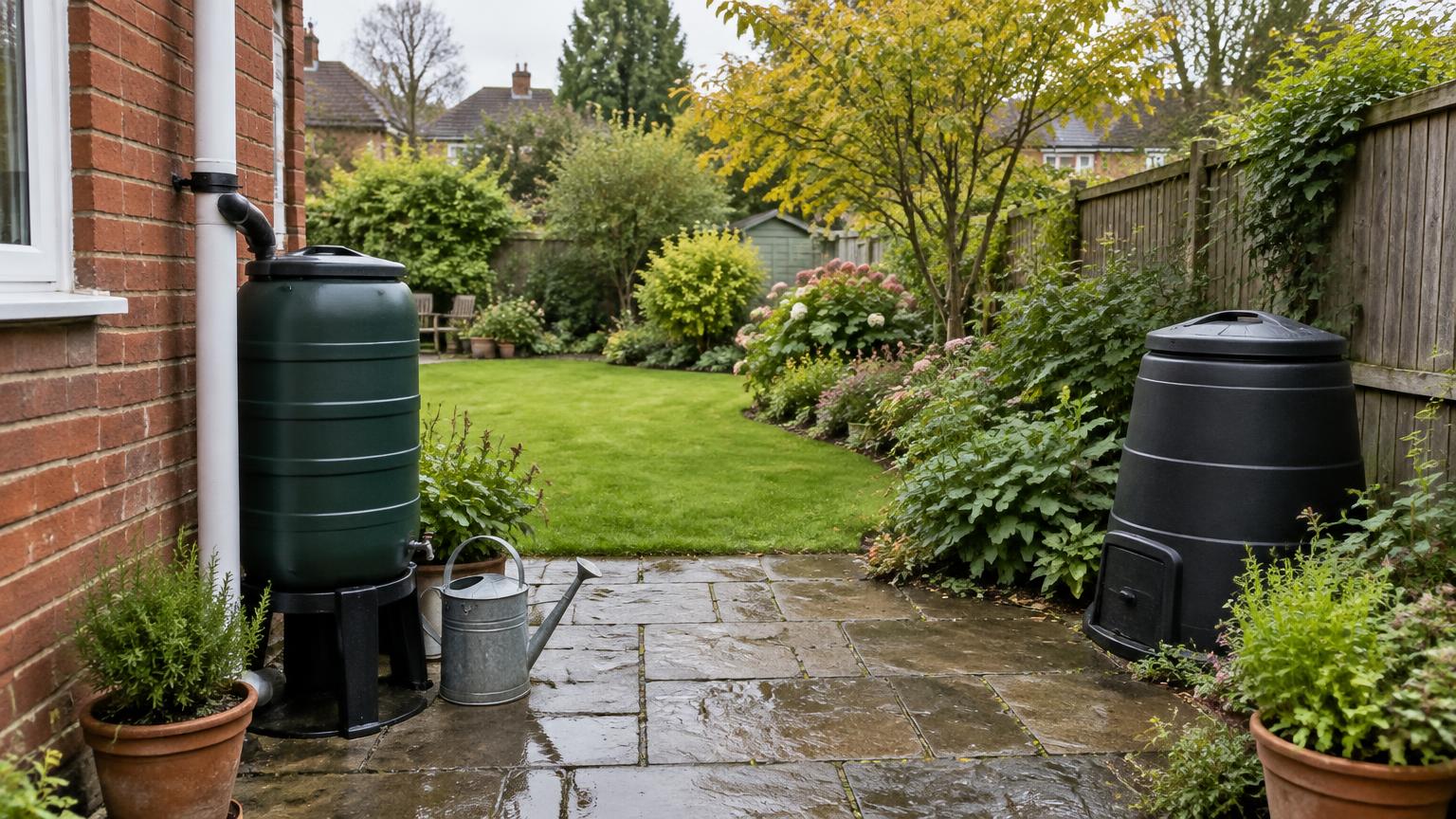
Composting at home doesn’t require much space or special expertise. Choose a well-drained spot near your kitchen or garden, then pick a bin that suits your setup. With a few everyday scraps and some dry leaves, you can turn kitchen and yard waste into useful compost. The key is balancing what goes in and keeping the pile in good condition—and a few simple habits make all the difference.
Choose a Home Composting Spot and Setup
Choose a well-drained spot that’s easy to reach year-round, since you’ll add scraps and turn the compost regularly. Pick a location near your kitchen or garden so carrying food scraps and finished compost feels convenient.
Check drainage access after rain; avoid low areas where water collects, which can leave the pile soggy and slow decomposition. Consider sunlight exposure, too. Partial shade helps keep compost moist in hot weather, while a sunnier spot may suit cooler climates.
Leave enough room around the site for you to work comfortably and move materials. Keep it away from doors and windows if odors or insects concern you.
Pick a Compost Bin for Your Space
Your space and composting habits will guide which bin works best. If you have a small yard or patio, choose a compact tumbler or lidded container you can turn easily. For indoor use, a countertop caddy can hold scraps until you move them outside.
Check bin material options, such as plastic, wood, or metal, and consider durability, weight, and weather resistance. Look for odor control features like a tight-fitting lid and ventilation that helps air circulate. Make sure you can access the contents comfortably for mixing and emptying.
A well-sized bin should fit your space without blocking walkways or routine tasks.
Add the Right Food Scraps and Yard Waste
To keep your compost healthy, balance green scraps like fruit peels with brown materials like dry leaves.
Chop food scraps into small pieces so they break down faster. You’ll get a more even, efficient compost pile.
Balance Greens and Browns
A healthy compost pile needs a balance of greens and browns. Greens, such as fruit and vegetable scraps and fresh grass clippings, provide nitrogen sources that fuel microbial activity. Browns, including dry leaves, straw, and shredded paper, add carbon and help keep the pile airy.
Aim for roughly two to three parts browns to one part greens by volume; this balance supports useful carbon ratios without making the pile too wet or slow to break down. If your compost smells sour or feels soggy, add more browns. If it stays dry and decomposes slowly, mix in more greens. Keep both materials evenly distributed throughout your pile.
Chop Scraps Into Pieces
With your greens and browns balanced, chop food scraps and yard waste into small pieces before adding them to the pile. Cutting scrap sizes gives microbes more surface area to work on, reducing decomposition time.
Use a knife or garden shears to break up vegetable peels, fruit scraps, leaves, and small branches. Aim for pieces about an inch long; they’ll break down faster than whole scraps.
You don’t need to chop everything finely, but avoid adding large, dense chunks that can slow composting. Keep a small container for scraps and cut them as you collect them, so adding them to your pile stays simple.
Balance Greens, Browns, Air, and Water
Successful composting depends on balancing greens, browns, air, and water. Add nitrogen-rich greens, such as fruit scraps and fresh grass, alongside carbon-rich browns, such as dry leaves and shredded cardboard.
Balance nitrogen-rich greens and carbon-rich browns to create a thriving compost pile.
Aim for about two parts browns to one part greens by volume, adjusting as you build your pile.
For moisture management, keep the mix as damp as a wrung-out sponge. If it feels dry, sprinkle in water; if it’s soggy, add dry browns.
Support airflow control by turning the pile every week or two with a garden fork. This gives microbes oxygen and helps materials break down evenly into compost for your garden.
Fix Common Home Composting Problems
Even a well-balanced compost pile can develop problems, but most are easy to fix. If your compost smells rotten, add dry leaves or shredded cardboard and turn the pile to improve airflow.
For odor control, bury fresh scraps beneath browns, and avoid adding meat, dairy, or greasy foods. If the pile attracts flies or rodents, cover exposed food scraps with a thick layer of browns and use a secure lid. These pest prevention steps help keep unwelcome visitors away.
If the pile seems too dry, sprinkle in water as you turn it; if it’s soggy, mix in dry material until excess moisture disappears.
Tell When Compost Is Ready to Use
How can you tell when compost is ready to use? Look for a Dark crumbly texture that feels loose and even in your hand. Finished compost should have an earthy forest smell, not a sour or rotten odor.
Ready compost is dark, crumbly, and earthy-smelling, with few recognizable scraps and no sour or rotten odors.
You shouldn’t recognize the original scraps, though a few twigs or eggshell pieces may remain.
Check the pile’s temperature, too. If it’s cool throughout and no longer heats up after you turn it, decomposition has likely finished.
When you’re unsure, let the compost cure for a few more weeks. Then sift it and spread the finished material around garden plants or mix it into soil.
Frequently Asked Questions
Can Apartment Dwellers Compost Without a Yard?
Yes—you can compost without a yard. Want to turn kitchen scraps into useful soil? Try indoor composting with a sealed countertop bin, or use balcony bins; you’ll reduce waste and avoid attracting pests.
Is Home Composting Safe Around Pets and Children?
Yes, home composting’s safe around pets and children when you manage it carefully. Keep compost covered, Choose pet safe materials, exclude toxic plants and animal waste, and place your bin where curious hands and paws can’t reach.
Does Composting Attract Pests or Rodents?
Yes, composting can attract pests or rodents if you expose food scraps. Use odor control strategies, such as covering scraps with browns, and rodent prevention methods, including sealed bins and secure lids, to keep them away.
Can I Compost During Winter?
Yes, you can compost during winter. Winter composting continues, though cold weather decomposition slows. Keep adding balanced scraps and browns, insulate your bin with leaves or straw, and turn the pile whenever conditions allow.
How Much Money Can Home Composting Save?
You can save roughly $50–$200 annually, depending on your garden and local prices. Composting may boost grocery savings by growing produce at home and reduce fertilizer costs when you use nutrient-rich compost instead.