
When a hallway becomes an obstacle course, each loose rug or dim corner can feel like a hurdle between you and independence. You don’t need to remodel your entire home to make daily life safer and more comfortable. Start by noticing where your routines feel difficult, then focus on practical changes that fit your needs and budget. A few well-chosen updates can make a surprising difference—but the most important place to begin may not be where you expect. Some aging in place adaptations don’t need to break the bank balance either.
Assess Daily Needs and Prioritize Aging-in-Place Updates
Before choosing upgrades, take stock of the tasks and spaces you use every day. Notice where you feel steady, where you tire, and which routines take extra effort.
To assess mobility needs, consider how you move between rooms, reach household items, and manage daily activities. Include input from anyone who helps you, and think about changes you may face over time.
Then prioritize home updates based on safety, comfort, and practical impact. Address the challenges that interfere most with your independence first, while keeping your budget and plans in mind. A written list helps you compare options and make decisions at your own pace.
Make Entrances and Walkways Easier to Navigate
Clear entrances and walkways make it easier to move around your home with confidence. Remove clutter, loose rugs, and cords that could catch your feet or mobility aids. Keep paths well lit, and use switches you can reach from either end of a hallway.
Widen entryways to accommodate walkers or wheelchairs, and replace high thresholds with low-profile step-overs. If steps lead to your door, add handrails on both sides and make certain each tread offers secure footing.
Choose firm, nonslip surfaces outdoors, and trim plants that narrow paths. These practical changes help you navigate daily routes with greater ease and independence.
Adapt Bathrooms for Safer, Easier Use
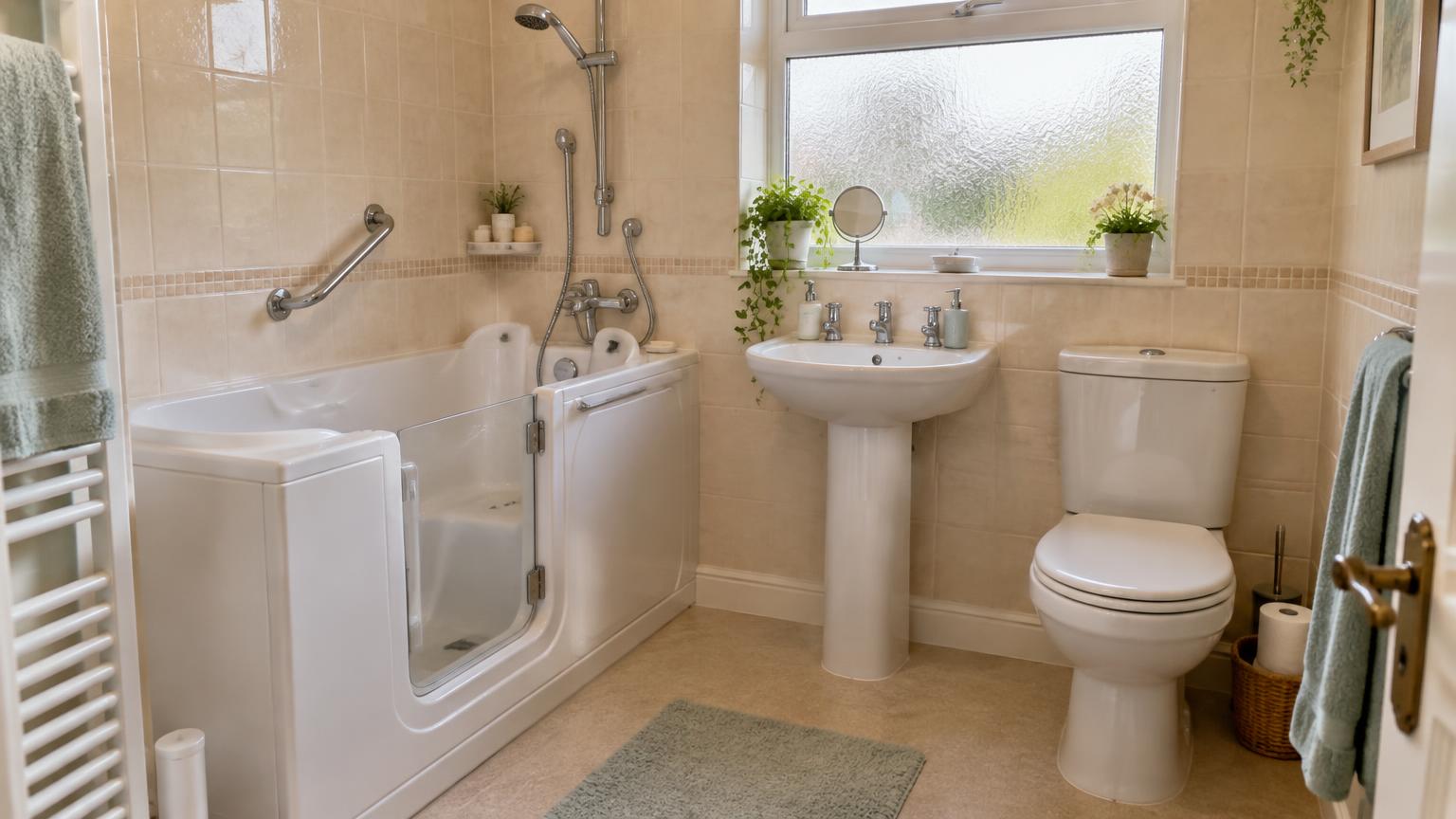
Bathrooms are easier to use when key fixtures are within reach and surfaces provide secure footing. Choose a Barrier free shower to remove the step over a tub and make entry simpler.
Add a handheld showerhead, a stable seat, and easy-to-reach controls so you can bathe comfortably while seated. Plan grab bar placement beside the toilet and within the shower, securing bars to wall supports rather than relying on suction cups.
Use slip-resistant flooring, improve lighting, and keep towels and toiletries close at hand. These updates help you move with confidence and maintain privacy, comfort, and independence in your daily routine.
Create a More Accessible, Flexible Kitchen
A well-planned kitchen makes everyday tasks easier and safer. Choose Adjustable Countertops so you can work comfortably while seated or standing, and set surfaces at heights that suit your needs.
Install Pullout Shelving in lower cabinets to bring cookware, pantry items, and small appliances within easy reach. Drawers with full-extension glides can make stored utensils easier to find without deep bending or stretching.
Keep frequently used dishes near the sink and dishwasher to simplify meal preparation and cleanup. Select easy-grip cabinet handles and lever-style faucet controls for smoother operation.
Arrange clear pathways and leave enough turning space so you can move comfortably throughout the kitchen.
Improve Lighting and Safety in Living Spaces
Good lighting and thoughtful safety features can make living spaces easier to navigate and more comfortable.
Use Layered lighting to brighten rooms evenly: combine overhead fixtures with task lamps and low-glare accent lights. Add switches at room entrances, and consider motion-activated lights for hallways and nighttime trips.
Replace dim bulbs, reduce harsh shadows, and make controls easy to reach.
For fall prevention, keep walkways clear, secure rugs with nonslip backing, and arrange furniture to create wide, direct paths. Install sturdy grab bars where needed, and choose contrasting colors to distinguish steps or thresholds.
These practical updates help you move confidently through your home.
Frequently Asked Questions
How Can Smart Home Technology Support Aging in Place?
Smart home technology can be your safety net, helping you live independently. Use voice activated lighting to prevent falls, and remote health monitoring to keep loved ones informed. You’ll enjoy greater comfort, confidence, and connection at home.
What Funding or Financial Assistance Is Available for Home Adaptations?
You can fund adaptations through home modification grants, accessibility tax credits, Medicaid waivers, veterans’ benefits, or local nonprofits. Check eligibility, income limits, and application deadlines, then contact your housing agency or benefits counselor for guidance.
How Can I Find a Qualified Aging-In-Place Remodeling Contractor?
Find a qualified aging-in-place remodeler through CAPS-certified professionals, local aging agencies, or trusted referrals. Verify credentials and review remodeling references before hiring; these steps can save you a mountain of trouble and help promote safer, accessible updates.
When Should I Consider Moving to a Senior Living Community?
Consider moving when changes in care needs exceed what you can safely manage at home, or your lifestyle preferences shift toward community, connection, and support. You’ll benefit from exploring options early, before a crisis forces decisions.
How Can Caregivers Help Someone Remain Independent at Home?
You can help someone stay independent by supporting daily routines, adapting tasks to their abilities, and offering choices. Encourage personal autonomy, arrange practical assistance, and check in regularly without taking over what they can do themselves.