
The U.S. Department of Energy estimates that heating and cooling account for about half of a typical home’s energy use. You don’t need a major renovation to start lowering that cost. A few changes to your thermostat, daily routines, and household equipment can help—but some common fixes save more than others. Knowing where to start can make the difference.
Adjust Your Thermostat to Reduce Your Energy Bill
Adjusting your thermostat by a few degrees can lower your energy bill without making your home uncomfortable. Set it a little lower in winter and higher in summer when you’re home, then choose less demanding temperatures while you sleep or leave. These Seasonal thermostat settings reduce heating and cooling without sacrificing comfort.
A programmable or smart thermostat can automate changes, so you don’t have to remember each adjustment. Set smart thermostat schedules around your routine, and update them when your plans change. Check your energy use and comfort over time, then fine-tune settings to find a balance that saves money and feels right for you.
Seal Drafts to Keep Heated or Cooled Air In
Find drafts around windows, doors, and other openings to spot where conditioned air escapes.
Apply weatherstripping to moving parts, such as doors and window sashes. Seal stationary gaps with caulk to help keep heated or cooled air inside.
Find Common Draft Sources
Drafts let heated or cooled air escape, forcing your HVAC system to work harder and raising your energy bill. To find common sources, check window gaps and door cracks, especially on windy days.
Hold a tissue near frames and edges; if it flutters, air is moving through. You can also feel for cool or warm air with your hand.
Inspect areas around electrical outlets, baseboards, attic hatches, and pipes that pass through walls. Look for daylight beneath doors or around window frames.
Note each spot so you can address the leaks. A quick inspection helps you focus on the drafts affecting comfort and energy use most.
Apply Weatherstripping
Once you’ve found the leaks, apply weatherstripping to seal gaps around doors and windows. Choose foam tape for uneven frames, or use V-strip weatherstripping along movable joints. Clean and dry each surface before applying the material so it sticks securely.
For exterior doors, install door sweeps to block drafts beneath the threshold. If you rent or want a temporary option, window film can add another layer of insulation over glass.
Check that doors and windows still open and close smoothly, then replace worn or compressed strips when needed. A snug seal helps your heating or cooling system work less to maintain comfort.
Seal Gaps With Caulk
After sealing movable joints with weatherstripping, use caulk for small, fixed gaps around window frames, baseboards, and pipe openings. These cracks let heated or cooled air escape, forcing your system to work harder.
Before choosing caulk, check the label to verify it suits the surface and location; use exterior-rated caulk outdoors and paintable caulk where you’ll paint. Clean each gap and let it dry before applying caulk.
Cut the nozzle at an angle, then guide a steady bead along the crack. Smooth it with a damp finger or tool, and follow the label’s curing instructions before painting or exposing it to moisture.
Use Less Hot Water to Save Energy
You can cut energy use by taking shorter showers and washing clothes in cold water.
Fix leaky faucets and pipes promptly to stop wasting hot water.
These small changes can lower your energy bill.
Take Shorter Showers
Shorter showers reduce the amount of hot water your household uses, which can lower the energy needed to heat it.
Set a Shower timer for five minutes, or choose a song that lasts about that long, to keep your routine on track. You can also turn off the water while you lather or shampoo, then turn it back on to rinse. A low flow showerhead can help you use less water without sacrificing a comfortable spray.
If you usually take long showers, trim a minute or two at a time until a shorter routine feels natural. Small changes add up over time.
Wash Clothes in Cold Water
When you wash clothes in cold water, your washer uses less energy because it doesn’t need to heat the water. You can cut energy use further by washing full loads instead of running several small cycles.
Choose Cold water detergents, which clean effectively without warm water, and follow the label’s instructions for the best results. Cold washing also supports fabric care: it can help prevent shrinking, fading, and damage to delicate fibers.
Sort clothes by color and soil level, then select a suitable cycle. For heavily soiled items, pretreat stains before washing rather than automatically choosing a hot-water setting. Your clothes can come out fresh.
Fix Leaks Promptly
A dripping hot-water faucet can waste both water and energy. Every leak sends heated water down the drain, so your water heater must work harder to replace it.
Fixing leaks promptly helps you use less hot water and lower energy costs.
Check faucets, showerheads, and visible pipes for drips or damp spots. Tighten loose fittings, replace worn washers, or arrange pipe joint repairs when needed.
Don’t overlook toilets: a faulty valve can leak silently into the bowl. Perform regular toilet valve checks by listening for running water and checking the tank.
If you can’t identify or fix a leak, contact a plumber before the problem worsens.
Switch to Efficient Lighting
Switching to efficient lighting is a simple way to lower your energy bill without sacrificing brightness. Replace older incandescent bulbs with LEDs, which use less electricity and last longer.
These LED bulb benefits can add up when you upgrade frequently used fixtures first, such as kitchen and living room lights. Check bulb labels to choose a brightness and color temperature that suit each space.
You can also explore lighting control options, including dimmers, timers, and motion sensors, to reduce wasted light. Turn lights off when you leave a room, and use daylight when it’s available.
Small changes can make your home more efficient.
Cut Standby Power From Home Electronics
Efficient lighting can lower your bill, and your electronics offer another chance to save. Devices often draw power even when you’ve switched them off, creating a phantom load that adds up over time.
Unplug chargers, game consoles, and other electronics when you’re not using them, especially if they rarely need to stay connected. For easier control, plug several devices into smart power strips. Some strips cut power to connected equipment when you turn off a main device, while others let you schedule shutoffs.
Check which electronics need constant power, such as your internet router, before unplugging them. These small habits can trim wasted electricity.
Run Appliances Efficiently to Reduce Your Energy Bill
Appliances can use less energy when you run them thoughtfully. Wash full loads of laundry and dishes rather than several small batches, and choose cold-water cycles when suitable.
Clean your dryer’s lint screen after each use, and air-dry clothes when weather permits. For cooking, match pots to burner sizes and use lids to retain heat. Turn off ovens and stovetops promptly, and consider a microwave or toaster oven for small meals.
With appliance scheduling, you can run energy-intensive tasks during off-peak hours if your utility offers lower rates. Good load management helps you avoid overlapping major appliance use and keeps energy demand in check.
Maintain Heating and Cooling Equipment
Just as thoughtful appliance use limits wasted electricity, regular HVAC maintenance helps your heating and cooling system run efficiently. Replace air filters as often as the manufacturer recommends; clogged filters restrict airflow and make your system work harder.
Keep supply and return vents clear of furniture, rugs, and dust so conditioned air can circulate freely. Outside, clean condenser coils carefully after turning off the unit, removing leaves and debris that block heat transfer.
Schedule a professional tune-up when needed to catch worn parts, refrigerant issues, or drainage problems early. These simple steps can improve comfort, reduce energy waste, and help your equipment last longer.
Compare Energy Use Before Buying Upgrades
Before investing in an upgrade, compare how much energy your current equipment uses with the newer model’s estimated consumption. Review utility bills to spot patterns and identify appliances that drive up costs.
Compare your current equipment’s energy use with newer models, and review utility bills to find appliances driving up costs.
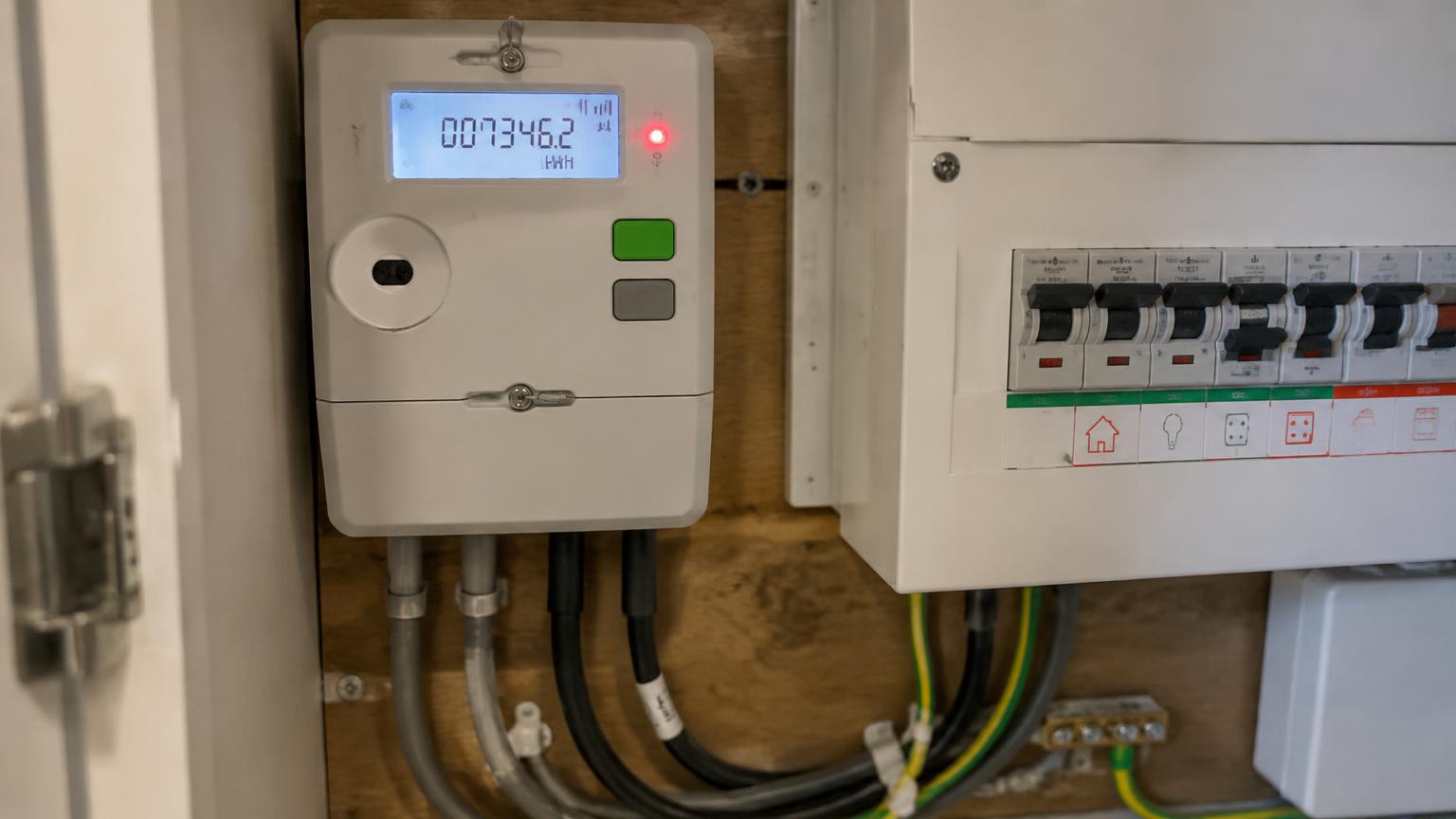
Then monitor appliance usage with a plug-in energy meter or your utility’s tracking tools. Check each model’s annual energy estimate, efficiency rating, and purchase price.
Calculate potential yearly savings, and consider how long it’ll take for those savings to offset the cost. Don’t assume newer means cheaper to run; your habits and local energy rates matter.
Choose an upgrade only when the numbers show it’ll meaningfully reduce your bill.
Frequently Asked Questions
Does My Utility Offer Discounts or Assistance Programs to Lower Energy Costs?
Could your utility offer discounts or assistance? Many providers do, including income-based rates, payment plans, and emergency aid. Check your utility’s website or call customer service to confirm Eligibility requirements, application deadlines, and how you can apply today.
How Can I Track Which Rooms Use the Most Energy?
Use Room energy monitors to measure circuits or plug-in devices in each space. Try Appliance usage tracking, and compare readings over several days. You’ll identify high-use rooms and pinpoint which equipment drives consumption.
Do Time-Of-Use Electricity Rates Affect When I Should Run Household Tasks?
Yes—Peak hour pricing can make timing matter: run your dishwasher, laundry, and other flexible tasks during cheaper periods. Use appliance scheduling to avoid costly peaks, but check your utility’s rate schedule before shifting routines.
Can Changing My Electricity Provider Reduce My Energy Bill?
Yes, changing providers can lower your bill if you find a better deal. Compare rate plans, evaluate contract terms, and check fees, introductory rates, and renewal terms before switching to confirm you’ll actually save money.
How Does Weather Affect Seasonal Energy Costs?
Weather can raise your seasonal energy costs; seasonal temperature shifts increase heating or cooling use, while extreme weather effects strain systems. The U.S. Energy Information Administration reports air conditioning uses about 12% of household electricity annually.