
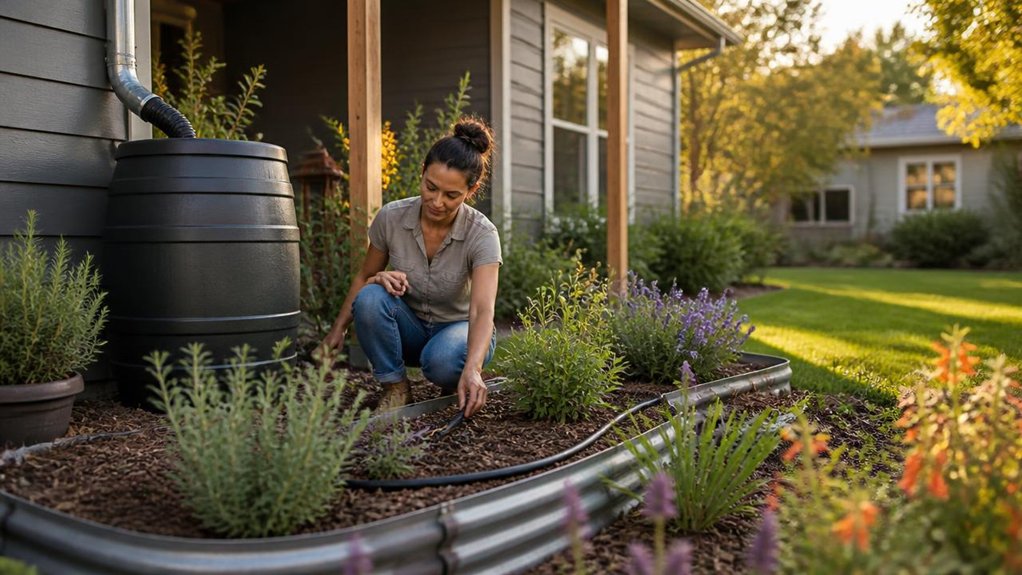
Checking soil before watering and applying water to plant roots can reduce waste, but savings depend on your garden and water charges. Compost, mulch, drought-tolerant plants, rain barrels and drip irrigation each have different costs and may not pay back.
Typical cost: Varies by project
Best for: Gardens with thirsty plants
DIY tasks: Mulching and soil checks
Installer needed: Depends on equipment
Payback factors: Water use and local charges
Good
- Check soil moisture before watering to avoid watering already damp ground.
- Water at plant roots in the early morning to limit evaporation.
- Mulch helps soil retain moisture between watering.
- Rain barrels can collect roof runoff for garden use.
Not so good
- Drought-tolerant plants may not suit every garden or planting scheme.
- A drip system may cost more than it saves in a small garden.
- Rain barrels need suitable space and a way to connect to a downpipe.
- Savings depend on water use and whether your bill changes with consumption.
These projects suit households that use metered water for gardens, because reducing consumption may lower bills. They are less useful for homes on unmetered bills, where using less water may not reduce the charge.
Best for: Metered homes with regular garden watering
Skip it if: Your bill is unmetered and garden use is low
A competent DIYer can check soil, add compost or mulch, plant suitable species and fit a basic rain barrel, following the manufacturer’s instructions. Electrical pumps or controls should be installed by an electrician registered with a competent person scheme; gas or MCS certification is not relevant to these garden projects. Put your own figures into our payback calculator.
Save Water in Your Garden by Watering Smarter
Water before the soil dries out, not by a fixed calendar. Check the forecast first and skip a session if rain is due.
Water in the early morning, when cooler conditions reduce evaporation and leaves have time to dry.
Check moisture a few inches below the surface with your finger or a moisture meter. Water slowly at soil level so the water reaches the roots.
Adjust how often you water for the plant, soil, weather and season.
A competent DIYer can check soil moisture, adjust a hose and set a watering timer.
No qualified installer is normally needed for these tasks; mains electrical work must comply with Part P of the Building Regulations and be done by a competent person.
Improve Soil to Hold More Rainwater
Adding compost or other organic matter can improve the soil’s structure and help rainwater soak in towards plant roots.
Spread mulch over the surface to reduce evaporation and limit soil erosion.
The results depend on your soil: compost can help heavy or compacted ground, while mulch mainly protects the surface.
Neither guarantees that water will reach roots if the soil is already saturated or drainage is poor.
Add Organic Matter
Add finished compost to garden beds to help water soak in rather than run off. Spread a layer about 20–50 mm deep over the soil, using less on heavy clay and more on light, sandy soil.
Mix it gently into the top few centimetres, especially where the ground is compacted or drains quickly.
Home-made compost should be dark and crumbly before you use it. Balance green and brown materials so the pile breaks down; follow your compost bin maker’s guidance, as suitable ratios vary.
Worm castings can add nutrients, but they aren’t a substitute for compost when you need to improve soil structure.
Compost is a low-cost option if you already make it or can get it locally. Buying it solely to reduce watering may not pay back: the result depends on soil type, rainfall, bed size and how much you spend.
A modest application lets you check how the soil responds before adding more.
Use Mulch to Protect Soil
Mulch slows water loss from the soil and softens the impact of rain.
Spread a 50–75 mm layer around plants, leaving a gap of a few centimetres around stems and trunks. This helps water reach the soil while reducing runoff and weed growth.
Use shredded leaves, bark or straw, and top up the layer as it breaks down or thins.
Build Healthy Soil Structure
Adding compost, aged manure or shredded leaves can improve soil structure and help rain soak in rather than run off.
These materials feed soil organisms, which bind soil particles into stable crumbs with spaces for water and air.
Avoid walking on wet beds: compaction squeezes those spaces shut and makes it harder for water to drain and roots to grow.
Use permanent paths and loosen compacted soil gently with a garden fork.
Better-structured soil can help plants cope with dry spells, but it doesn’t remove the need to water during prolonged dry weather.
Mulch Garden Beds to Slow Evaporation
Mulch garden beds after watering to reduce evaporation from the soil. A 50–75 mm layer of bark, shredded leaves or compost can help the soil stay moist; keep it clear of stems and trunks to reduce the risk of rot.
Top it up as it breaks down.
Good
- Mulch shades soil and reduces its exposure to wind.
- Organic mulch breaks down and adds organic matter to the soil.
- Keeping mulch clear of stems and trunks reduces moisture against plant tissue.
Not so good
- Mulch doesn’t remove the need to water during dry spells.
- A layer deeper than 75 mm can smother low-growing plants.
- Decorative colour doesn’t improve water retention.
Verdict: Mulching suits gardeners who already have suitable material, because it can reduce water loss without buying specialist equipment.
It’s less worthwhile if you need to buy and transport large amounts of mulch just to cover a small bed. A competent DIYer can spread mulch; no qualified installer or electrical, gas or MCS certification is needed.
Best for: Beds that dry out quickly
Skip it if: You’d need costly mulch
Put your own figures into our payback calculator.
Choose Drought-Tolerant Plants for Less Watering
Native plants can reduce watering when they suit your garden’s rainfall, soil and sunlight, but they’ll not thrive without the right conditions.
Native plants can cut watering needs when matched to local rainfall, soil and sunlight.
Ask a local nursery or council gardening service for species suited to your area, then group plants with similar water needs.
Lavender, yarrow and some ornamental grasses may need less watering once established, but suitability depends on your climate and soil.
Check each plant’s mature size and sunlight requirements before buying. Mulch can also slow evaporation, especially around young plants.
Good
- Native species are often suited to local rainfall and seasonal temperatures.
- Grouping plants by water needs makes watering easier to manage.
- Lavender may need less watering once established in suitable conditions.
Not so good
- A plant labelled drought-tolerant may still need regular water while establishing.
- Heavy or poorly drained soil can harm plants that need drier conditions.
- Ornamental grasses vary in their water needs and mature size.
Verdict
This suits gardeners who can match plants to local conditions and want to reduce watering over time.
It isn’t worth replacing healthy plants just to save water if the new choices need costly soil changes or extra care.
Best for: gardens with suitable soil and sunlight.
Skip it if: you can’t match plants to site conditions.
Collect Rainwater for Garden Use
Rainwater collection can provide water for garden beds during dry spells, but a basic barrel is mainly worthwhile if you already have one or can get one cheaply. A new barrel may take a long time to pay for itself because mains water is relatively inexpensive and garden use varies.
Place a covered barrel on a stable, level base beneath a roof downpipe. Fit a downpipe diverter to direct runoff into the barrel and send excess water away from the house foundations. Leave space to reach the tap, and secure the lid to keep out mosquitoes, leaves and debris.
A competent DIYer can fit a simple diverter and barrel, following the manufacturer’s instructions. No electrician, Gas Safe engineer or MCS-certified installer is needed for this basic setup.
Check local rules if you plan to connect rainwater to indoor plumbing; use a qualified plumber and suitable backflow protection to prevent contamination of the mains supply.
Cost and payback: Costs vary by barrel size, material and whether you buy a stand or diverter. To estimate savings, multiply the litres of mains water displaced by your metered water-and-sewerage rate; divide the barrel and fitting cost by the yearly saving.
For example, a 200-litre barrel used once a week for 20 weeks displaces about 4,000 litres a year, before allowing for rainfall and overflow. Check current product prices and your water bill; the result depends on how often you use the water and your local charges.
Good
- A downpipe diverter directs roof runoff into the barrel.
- A secure lid helps keep mosquitoes and debris out.
- A level, stable base supports a full barrel.
- An overflow outlet can direct excess water away from foundations.
Not so good
- A small barrel may run dry during a long spell without rain.
- Overflow can cause damp if it drains beside the house.
- A new barrel may not pay back if garden watering is infrequent.
- Stored water needs checking and shouldn’t be assumed safe to drink.
Verdict
A rain barrel suits gardeners who can collect frequent roof runoff and use it instead of metered water, especially if they already own the barrel.
Homeowners buying a new system shouldn’t bother if they water rarely or have little roof runoff, as savings may not cover the cost.
Best for: Regular garden watering near a downpipe.
Skip it if: You rarely water or have no suitable outlet.
Install Drip Irrigation to Reach Plant Roots
Drip irrigation sends water through emitters to the soil near plant roots. Match each emitter’s flow rate to the plant’s needs, and check that the system suits your water pressure.
It can reduce water lost to runoff, but savings depend on your watering habits and local conditions.
Good
- Emitters deliver water near plant roots.
- Timers can control when watering starts.
- Drip lines can target individual plants.
- A filter can help prevent emitter blockages.
Not so good
- Emitters can clog if the water is dirty.
- Uneven pressure can give plants different amounts of water.
- Tubing can leak or split if damaged.
- A timer doesn’t replace checking soil moisture.
Verdict
Drip irrigation suits gardeners who regularly water beds or containers and want to direct water to plant roots; the money case depends on local water charges and how much water the system saves.
Gardeners with a small area or little routine watering shouldn’t bother if the tubing and fittings cost more than the water they save.
A competent DIYer can fit tubing, emitters and a battery timer by following the manufacturer’s instructions. Mains electrical work requires an electrician registered with a competent person scheme; a typical low-voltage garden timer doesn’t require one.
Best for: Regularly watered beds and containers
Skip it if: You water only a few pots
Target Root Zones
Drip emitters direct water to the soil around a plant’s roots, reducing water lost to evaporation and runoff. Place them near the root zone, then move them as the plant grows.
The right position depends on root depth and spread: shallow-rooted vegetables need emitters close to the plant, while shrubs may need water across a wider area.
After watering, check the soil at root depth beneath each emitter. If it’s dry, reposition the line or add emitters.
DIYers can lay and adjust most garden drip-irrigation tubing; follow the manufacturer’s instructions, and use a qualified plumber if connecting it to household plumbing requires work on the drinking-water supply.
Reduce Water Waste
A drip-irrigation system can reduce water waste by delivering water slowly to plant roots. It can lose less water to runoff and evaporation than overhead watering, especially in hot or windy weather, but the saving depends on your garden, soil and watering habits.
Connect the irrigation lines securely and check the emitters, filters and fittings for leaks or blockages. Repair leaking hoses, replace faulty sprinklers and adjust watering to rainfall and seasonal needs.
Water early in the morning, then check the soil and plants to avoid overwatering.
A competent DIYer can install and maintain a basic garden drip-irrigation system; electrical work isn’t usually needed. If the system needs a mains-water connection, follow the Water Supply (Water Fittings) Regulations 1999 and check whether the work requires notification to your water supplier.
Choose Drip Emitters
Choose emitters to match each plant’s water needs and the soil’s drainage. Check the manufacturer’s flow rate in litres per hour (L/h): clay soil absorbs water slowly, so a lower flow rate can reduce runoff; sandy soil drains faster and may need more frequent watering.
The right rate also depends on the plant and the emitter’s position.
Group plants with similar watering needs on the same line. On sloping ground or long runs of tubing, pressure-compensating emitters help keep flow more even, provided the system’s pressure is within the manufacturer’s specified range.
Place emitters near the root zone, secure the tubing and test for leaks and uneven flow before setting a watering schedule.
Water Early to Lose Less to Evaporation
Watering early can reduce evaporation, but it isn’t a household upgrade with a meaningful payback calculation. The saving depends on your garden, soil, weather and water supply; don’t assume a fixed reduction in bills.
Early watering can reduce evaporation, but any savings depend on your garden, weather and water use.
Typical cost: £0 to £30 for a timer
Best timing: Early morning
Main benefit: Less water lost
Payback: Depends on water use
Best for: Gardens watered by hose
Good
- Cooler morning air can slow evaporation from soil.
- Watering before midday gives moisture time to soak in.
- A timer can help keep watering consistent.
- Adjust watering after rain or in cooler weather.
Not so good
- Evening watering can leave foliage wet overnight.
- A timer won’t account for rainfall unless you adjust it.
- Watering at the wrong time won’t fix poor drainage.
- A timer may not save money if you already water efficiently.
A morning routine suits gardeners who want to reduce water loss without buying new equipment. A timer may help if it prevents unnecessary watering, but savings depend on how much water you use and what you pay for it.
Don’t buy one solely to cut bills if you water by hand and already avoid hot, sunny periods.
Best for: Gardeners who can water early and adjust after rain.
Skip it if: You already water efficiently or can’t change your schedule.
Frequently Asked Questions
Can a Rain Garden Help Prevent Costly Basement Flooding?
A rain garden can help keep runoff away from your foundation, but it will not stop every basement flood. Its effect depends on the soil, garden slope, rainfall and where downpipes discharge; it is not a substitute for fixing leaking walls or faulty drainage.
Get the garden’s location and drainage checked before digging. Do not direct water towards a neighbouring property, and avoid placing it where it could saturate soil beside the house. A drainage professional can advise if the ground drains poorly or the site is close to the foundations.
Good
- A rain garden can collect runoff from a downpipe.
- Set it away from the house to reduce water near foundations.
- A shallow basin can be planted with water-tolerant plants.
Not so good
- Clay soil may drain too slowly for a rain garden.
- Heavy rain can overflow the basin.
- Poor siting can send water towards the house or a neighbour.
- It will not repair cracks or failed basement drainage.
Are Rebates Available for Installing Water-Efficient Garden Systems?
Check your water company or council’s current rules before buying equipment. Rebates may cover items such as water butts or rainwater-harvesting systems, but eligibility, application deadlines and whether you must apply before installation vary by scheme.
Do not assume a rebate makes an upgrade worthwhile: compare the eligible cost with the likely water-bill saving, and check that the scheme is still open. I can’t give a reliable cost, saving or payback without knowing the system and your water charges.
Put your own figures into our payback calculator.
How Can I Check for Leaks in Outdoor Plumbing?
Check the outside tap, hose connections and visible irrigation pipes for drips or damage. Turn off taps and irrigation, then check your water meter; if it still moves, close the internal stop tap and check again. Movement may point to a leak between the meter and stop tap, so contact your water supplier or a plumber. Run each irrigation zone and look for pooling, unusually wet soil or damaged pipework.
Do Permeable Patios Reduce Stormwater Fees?
A permeable patio may reduce your stormwater fee only if your local council or water company offers a credit for permeable surfaces. Rules vary by area, and some schemes require approval before work starts.
Check the eligibility rules, application deadline and evidence required. Confirm that the patio’s materials, base and drainage meet the scheme’s design standards; a permeable surface alone may not qualify.
Good
- Permeable paving lets rainwater drain through its surface.
- Some local schemes offer stormwater fee credits for approved patios.
- Checking eligibility before work can prevent a rejected application.
Not so good
- Not every council or water company offers a credit.
- Some schemes require approval before installation.
- The patio may need specified materials, base layers or drainage.
- You may need plans, photographs or other evidence to apply.
How Much Can Water-Saving Landscaping Lower My Annual Utility Bills?
Typical saving: 20–50% on outdoor watering
Annual bill saving: £100–£500, depending on water use
Best for: Large gardens with inefficient irrigation
Payback: Depends on upgrade cost and water rates
Check first: Local water charges and garden conditions